Target New ArrivalsBack to SchoolCollegeClothing, Shoes & AccessoriesHome & DecorKitchen & DiningOutdoor Living & GardenGroceryHousehold EssentialsBabyBeautyPersonal CareSports & OutdoorsHealthWellnessSchool & Office SuppliesToys & GamesElectronics & TechVideo GamesMovies, Music & BooksParty SuppliesGift IdeasGift CardsPetsUlta Beauty at TargetShop by CommunityTarget OpticalDealsClearanceNew ArrivalsBack to SchoolCollegeTop DealsTarget Circle DealsWeekly AdShop Order PickupShop Same Day DeliveryRegistryRedCardTarget CircleFind Stores
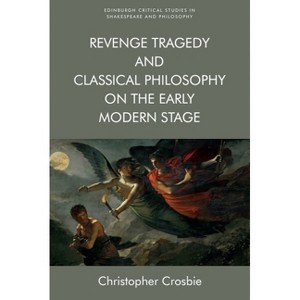
Revenge Tragedy and Classical Philosophy on the Early Modern Stage - (Edinburgh Critical Studies in Shakespeare and Philosophy) (Paperback) - 1 of 1

Revenge Tragedy and Classical Philosophy on the Early Modern Stage - (Edinburgh Critical Studies in Shakespeare and Philosophy) (Paperback)

$39.95

In Stock

Free & easy returns
Free & easy returns
Return this item by mail or in store within 90 days for a full refund.
Eligible for registries and wish lists

About this item

Highlights

  • Examines the influence of classical philosophy on revenge narratives by Shakespeare and his contemporariesThis book discovers within early modern revenge tragedy the surprising shaping presence of a wide array of classical philosophies not commonly affiliated with the genre.
  • About the Author: Christopher Crosbie is Associate Professor of English at North Carolina State University where he teaches Shakespearean drama.
  • 320 Pages
  • Literary Criticism, Shakespeare
  • Series Name: Edinburgh Critical Studies in Shakespeare and Philosophy

Description


About the Book


This book discovers within early modern revenge tragedy the surprising shaping presence of a wide array of classical philosophies not commonly affiliated with the genre.


Book Synopsis


Examines the influence of classical philosophy on revenge narratives by Shakespeare and his contemporaries
This book discovers within early modern revenge tragedy the surprising shaping presence of a wide array of classical philosophies not commonly affiliated with the genre. By recovering the pervasive influence of Aristotelian faculty psychology on The Spanish Tragedy, Aristotelian ethics on Titus Andronicus, Lucretian atomism on Hamlet, Galenic pneumatics on Antonio's Revenge and Epictetian Stoicism on The Duchess of Malfi, Crosbie reveals how the very atmospheres and ontological assumptions of revenge tragedy exert their own kind of conditioning dramaturgical force. The book also revitalises our understanding of how the Renaissance stage, even at its most lurid, functions as a unique space for the era's practical, vernacular engagement with received philosophy.
Key Features
Analyzes the twentieth-century development of revenge tragedy as a genre, and diagnoses the roots of modern criticism's tendency to treat most philosophy as estranged from the violent work of revengeProvides fresh readings of five plays central to the revenge tragedy genre, paying close attention to the conditioning influence of classical philosophy on their narratives of retributionReveals how revenge tragedy's distinctive 'moods' or 'atmospheres' emerge from fully-realized sets of ontological assumptions which help shape reception of retribution on the early modern stageDevelops new reception histories for five classical philosophical doctrines, revealing their currency and, what's more, radical adaptability within early modern England


From the Back Cover


Examines the influence of classical philosophy on revenge narratives by Shakespeare and his contemporaries This book discovers within early modern revenge tragedy the surprising shaping presence of a wide array of classical philosophies not commonly affiliated with the genre. By recovering the pervasive influence of Aristotelian faculty psychology on The Spanish Tragedy, Aristotelian ethics on Titus Andronicus, Lucretian atomism on Hamlet, Galenic pneumatics on Antonio's Revenge and Epictetian Stoicism on The Duchess of Malfi, Crosbie reveals how the very atmospheres and ontological assumptions of revenge tragedy exert their own kind of conditioning dramaturgical force. The book also revitalises our understanding of how the Renaissance stage, even at its most lurid, functions as a unique space for the era's practical, vernacular engagement with received philosophy. Christopher Crosbie is Associate Professor of English at North Carolina State University.


Review Quotes


Crosbie's book supplies an important absence in early modern literary studies, bringing several strands of classical philosophy into lucid conversation with the passion-fueled, metaphysical dramas of revenge of the period.-- "Michael Witmore, Folger Shakespeare Library"

For those interested in theinterrelations of philosophy and literature in the period, this book will be required reading--James A. Knapp, Loyola University Chicago "Modern Philology"

The range of philosophy discussed by Crosbie is impressive, and the historical background regarding the currency of such ideas in the sixteenth and seventeenth centuries is thorough--Gretchen E. Minton, Montana State University "Medieval and Renaissance Drama in England"

With expert attention to the philosophical frameworks as well as the performance conventions of Shakespeare and his contemporaries, Revenge Tragedy and Classical Philosophy on the Early Modern Stage elegantly aligns the materialist theories of Aristotle, Lucretius and others with the plots and language of revenge. A major contribution to the field, it establishes the ethical and communal power of revenge plays and their ability to dramatize vengeance as metaphysically fitting and recuperative.-- "Heather Hirschfeld, University of Tennessee"


About the Author


Christopher Crosbie is Associate Professor of English at North Carolina State University where he teaches Shakespearean drama. His research examines the influence of classical philosophy on Renaissance literature, paying particular attention to the capacity of early modern theater to appropriate received intellectual traditions in innovative ways.

Dimensions (Overall): 9.8 Inches (H) x 6.1 Inches (W) x .7 Inches (D)
Weight: 1.0 Pounds
Suggested Age: 22 Years and Up
Number of Pages: 320
Genre: Literary Criticism
Sub-Genre: Shakespeare
Series Title: Edinburgh Critical Studies in Shakespeare and Philosophy
Publisher: Edinburgh University Press
Format: Paperback
Author: Christopher Crosbie
Language: English
Street Date: August 25, 2020
TCIN: 1010991084
UPC: 9781474440271
Item Number (DPCI): 247-18-9365
Origin: Made in the USA or Imported
If the item details aren’t accurate or complete, we want to know about it.

Shipping details

Estimated ship dimensions: 0.7 inches length x 6.1 inches width x 9.8 inches height
Estimated ship weight: 1 pounds
We regret that this item cannot be shipped to PO Boxes.
This item cannot be shipped to the following locations: American Samoa (see also separate entry under AS), Guam (see also separate entry under GU), Northern Mariana Islands, Puerto Rico (see also separate entry under PR), United States Minor Outlying Islands, Virgin Islands, U.S., APO/FPO, Alaska, Hawaii

Return details

This item can be returned to any Target store or Target.com.
This item must be returned within 90 days of the date it was purchased in store, delivered to the guest, delivered by a Shipt shopper, or picked up by the guest.
See the return policy for complete information.

Additional product information and recommendations

Discover more options

Skip to next section

Best-selling Books

Skip to next section

Get top deals, latest trends, and more.